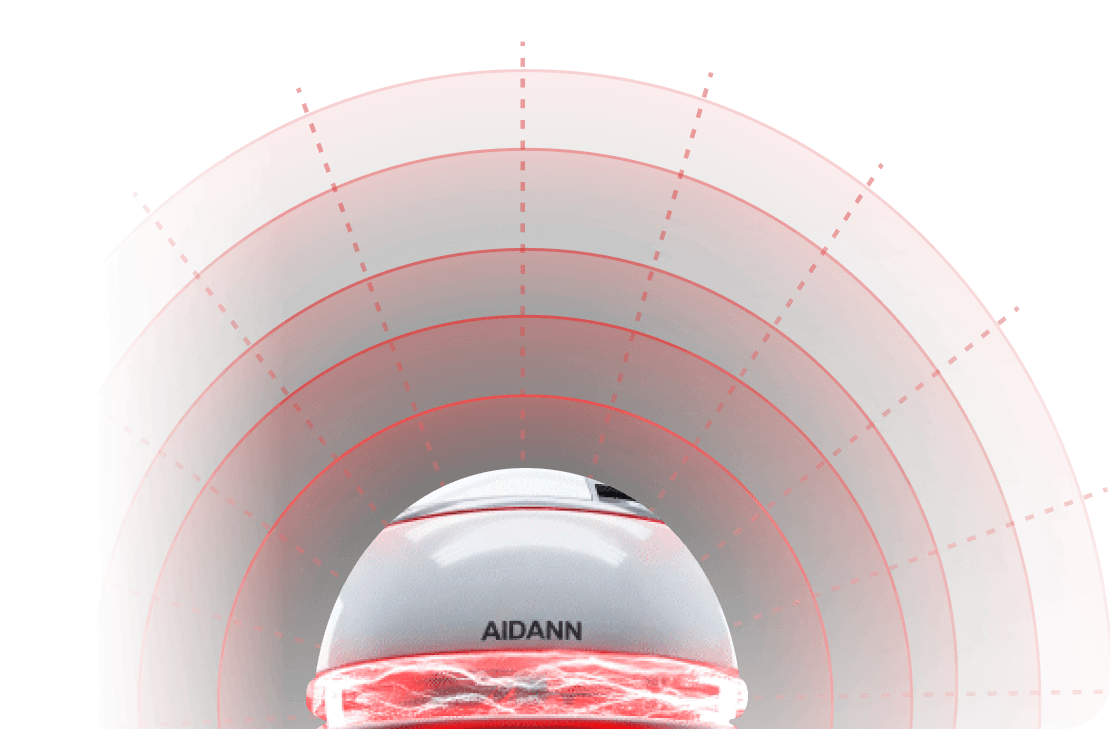
Central Banking Rail

Designing a
Pathway to Central
Bank Settlement.

IDBX is architected to support settlement in central bank
money (CeBM), with securities coordinated through an
integrated central securities system (ICSS).

Central bank rail Settlement

Both legs, or neither.That is the whole design.

IDBX is architected for settlement in central bank money, with the securities leg coordinated through an integrated central securities system. Cash and asset move against each other in the same window, so a trade is either complete or it never happened.

Access to central bank money is granted by a central bank, not by a venue. This page sets out what IDBX is built to connect to, and the sequence in which it is being built.

London --:-- New York --:-- Singapore --:--
Scroll
ONE TRADE, TWO LEGS CASH · BUYER CENTRAL BANK MONEY CASH · SELLER ASSET · SELLER SECURITIES SYSTEM ASSET · BUYER BOTH, OR NEITHER

The logic

From fragmented chains
to coordinated rails.

Fragmented Settlement Chains

Traditional interbank workflows separate the cash and securities legs across multiple intermediaries. Cash may settle via commercial bank money or RTGS, while securities coordination occurs through distinct systems, often creating reconciliation layers, timing gaps and operational complexity.

Coordinated Settlement Rail

The cash leg can settle in central bank money (CeBM), recorded on or linked to RTGS where enabled. The securities leg is orchestrated through an integrated central securities system (ICSS), enabling coordinated delivery versus payment within the constraints of the instrument and payment rails. Clients experience a single, coordinated path.

Safest Settlement Asset

Safest Asset: CeBM is widely recognised as the safest settlement asset in any currency, representing a direct claim on the issuing central bank.

Resilience:  Settlement in CeBM reduces exposure to commercial bank credit risk and supports more predictable intraday liquidity management.

Finality:  Settlement through central bank frameworks enhances legal certainty and systemic stability.

The logic

Two legs, settled by different people.

A trade is one agreement, but it settles as two separate movements through two separate systems, usually run by different institutions on different timetables. Everything difficult about settlement comes from that one fact, and it is what the rail is designed to close.

How it settles today

Fragmented chains

Traditional interbank workflows separate the cash and securities legs across multiple intermediaries. Cash may settle in commercial bank money or through RTGS; securities coordination happens in distinct systems.

  • Reconciliation layers between each pair of systems.
  • Timing gaps in which one leg has moved and the other has not.
  • Exposure to the intermediaries in between, for the length of the gap.
  • Operational complexity that grows with every counterparty added.

What the rail is designed to do

One coordinated path

The cash leg is designed to settle in central bank money, recorded on or linked to RTGS where enabled. The securities leg is orchestrated through an integrated central securities system.

  • Delivery against payment, coordinated within one window.
  • Both legs complete, or the trade does not settle at all.
  • One path for the participant, whatever sits behind it.
  • Within the constraints of the instrument and the payment rails in use.

Why central bank money

What it removes.

Central bank money is widely recognised as the safest settlement asset in any currency, because it is a direct claim on the issuing central bank rather than on a commercial institution. That single difference is what takes the following three things off the table.

Removed

Credit exposure to the settlement bank

Settled in commercial bank money, the receiving party holds a claim on a bank until it is discharged. In central bank money the claim is on the central bank, and there is no intermediary balance sheet to fail.

Removed

The gap between the two legs

Where cash and securities settle on separate timetables, one side is exposed for the length of the difference. Coordinating both legs in one window is what closes that interval rather than shortening it.

Removed

The reconciliation layer

Two systems that do not agree require a third process to make them agree. A coordinated rail removes the need for that process rather than automating it.

The pathway

The order this has to happen in.

Nothing here depends on an institution replacing its infrastructure, and nothing here happens before the permission it requires. The sequence below is the order of operations, not a timetable.

01

Connect to what exists

IDBX integrates alongside current systems rather than in place of them, supporting progressive adoption flow by flow. A participant can put one product on the venue without moving anything else.

02

Coordinate the two legs

The securities leg is orchestrated through an integrated central securities system so that delivery and payment are managed as one event, within the constraints of the instrument and the payment rails in use.

03

Move the cash leg to central bank money

Where access is granted and the currency's rail is enabled, the cash leg settles in central bank money, recorded on or linked to RTGS. That access is a central bank's decision and is taken currency by currency.

04

Extend to tokenised collateral

The same coordinated window is what tokenised instruments need in order to settle against cash rather than around it. The rail is built once and the instrument set widens onto it.

IDBX Markets Ltd is not currently authorised by the Financial Conduct Authority, and nothing on this page constitutes an offer or solicitation of regulated services. Access to central bank money is granted by the relevant central bank; this page describes what IDBX is architected to connect to, and in what order.

Live · computed in your browser

Watch the gap open.

One trade, run twice. Choose a size and a settlement model, press run, and watch where the two legs land. Then break one of them.

Notional
Model
 
08:0012:0016:0018:00
Cash leg Unsettled
Securities leg Unsettled
Exposure window
Window open Time between the two legs landing.
Exposed while open Notional at risk for the length of the window.
Breaks to reconcile One per leg that settled without its pair.

Press run.

Settlement times here are illustrative: real cut-offs vary by currency, market and instrument, and nothing on this page claims to have measured anyone's. What is being shown is the shape — two legs, two timetables, and whatever sits between them.

Modernise interbank flows without replacing your infrastructure.

IDBX integrates alongside existing systems, supporting progressive
adoption and flow by flow migration.


Talk to our experts